

Design and engineering for the first release.
And the ones after it.
Six ways we work with founders and product teams — from a paid blueprint to a production launch and the releases that follow.
- Fixed scope after one call
- Design + engineering under one roof
- You own the code
Pick the piece you need.
Or hand us the whole release.
Most clients start with one of these and end up using three. The work is scoped so you can see exactly what ships first, what it costs and what is deliberately left out.
Startup MVPs
The smallest release worth launching.
A scoped first release for founders. We decide what to validate, what to build first and what to leave out, then design and ship it with one senior team.
Best for
Pre-seed to Series A founders with an idea that needs real users, not another deck.
What you get
- Scope, user flows and feature priorities
- Clickable design before engineering starts
- Production launch on the App Store, Play Store or web
- Handover docs and code you own
The outcome
A production release in front of users, investors and design partners — on a codebase ready for the next version.
Mobile apps
iOS and Android products people open every day.
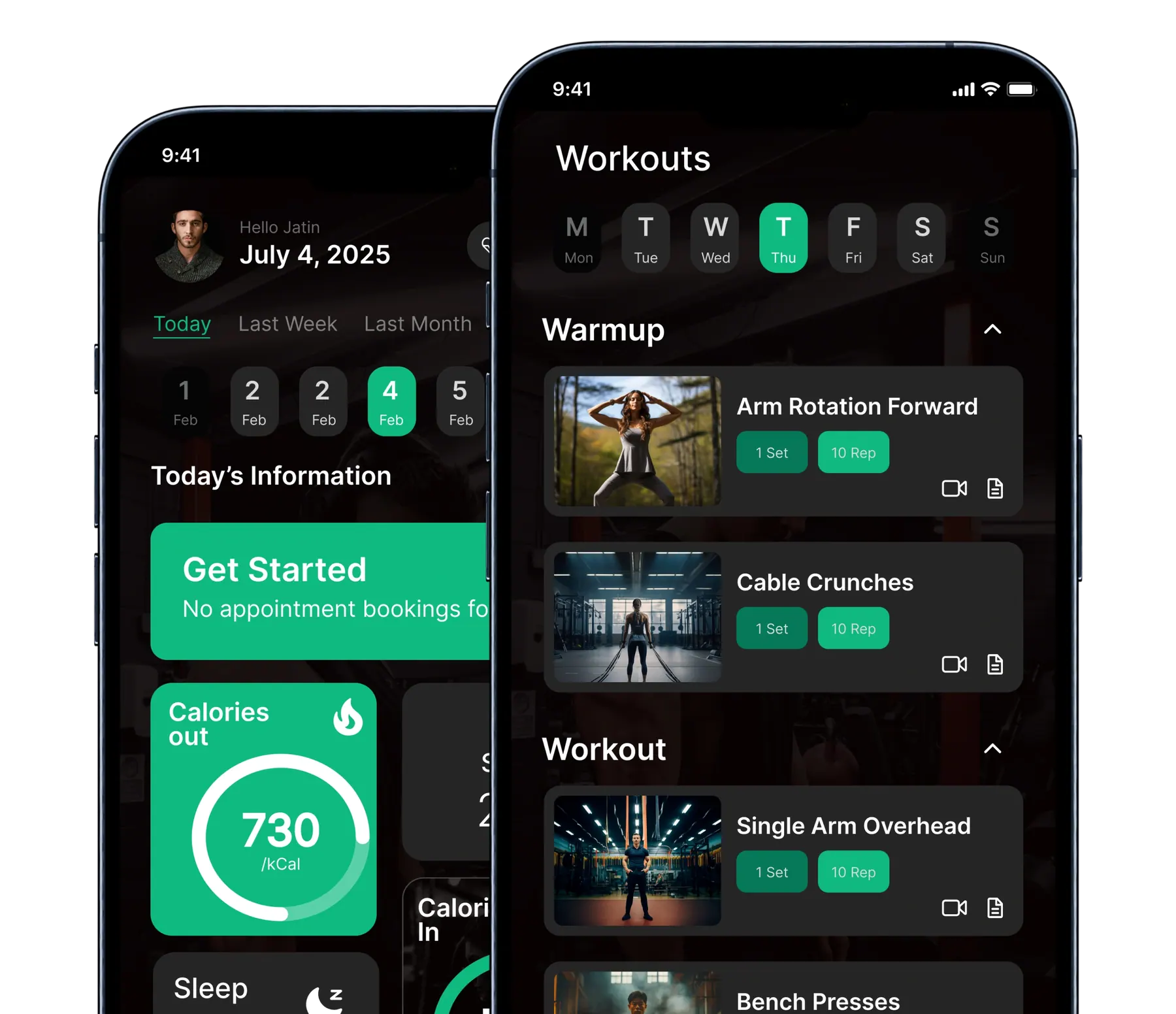
Cross-platform apps in React Native and Flutter, from the first screens through a build that passes store review.
Best for
Consumer and B2B products where the phone is the product, not a companion.
What you get
- iOS and Android from one codebase
- Auth, payments, push notifications and offline states
- Analytics and crash reporting from day one
- App Store and Play Store submission
The outcome
One codebase, two stores, and an app that handles auth, notifications, payments and the edge cases that break a launch.
Web apps & SaaS
Platforms, dashboards and the admin around them.
Production web applications and SaaS platforms in React, Next.js and Node.js, including the CRMs, admin panels and internal tools that run the business.
Best for
Teams that need a customer-facing platform and the operational back office behind it.
What you get
- Customer-facing web app or SaaS platform
- Admin panels, CRMs and role-based access
- APIs, databases and third-party integrations
- Hosting, CI/CD and monitoring
The outcome
A SaaS surface with real auth, roles, billing and reporting — plus the admin tooling your team needs on day two.
AI features & LLMs
AI that does a job inside your product.
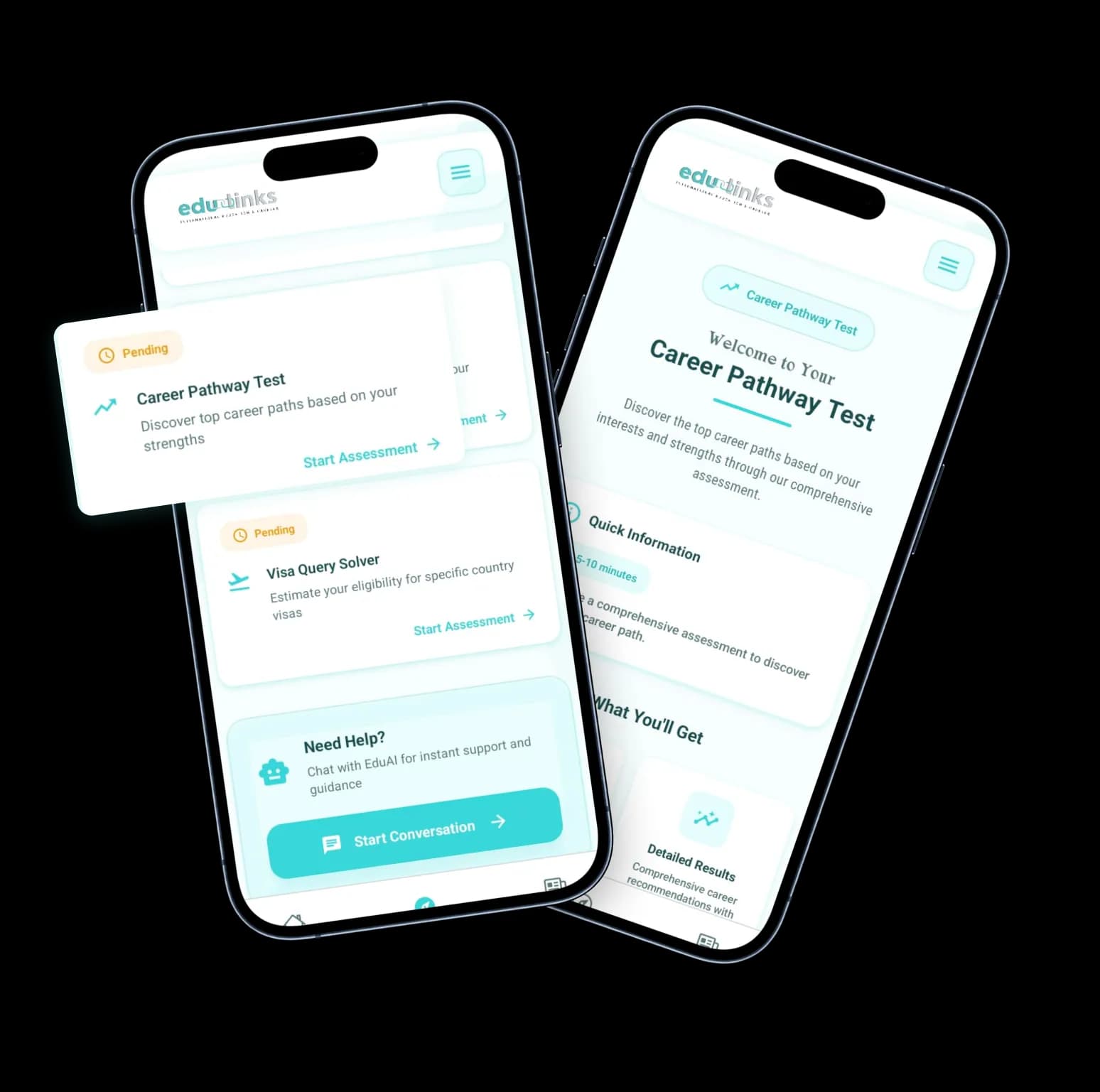
Chat assistants, recommendations, scoring and generative features built into the product, not bolted on: an AI education consultant, AI job matching, a generative video marketplace.
Best for
Products where intelligence is a real feature with a measurable job to do.
What you get
- LLM assistants grounded in your data
- Recommendation and matching engines
- Generative media pipelines
- Evaluation, guardrails and cost controls
The outcome
An assistant or matching engine that is grounded in your data, evaluated against real cases, and costed per user.
IoT & embedded
Devices paired with the apps that control them.
Connected products that pair device firmware with the mobile or web app used to configure, monitor and control them.
Best for
Hardware teams that need the software experience around the device to be as considered as the device itself.
What you get
- Device firmware and connectivity
- Companion mobile or web app
- Cloud telemetry and dashboards
- Over-the-air update flows
The outcome
A connected product with pairing, telemetry, over-the-air updates and an app that makes the hardware understandable.
Scale & product partnership
A team that stays on after launch.
Feature releases, performance work and the next version, for products we built and for existing apps that need a senior team.
Best for
Teams with a live product and a roadmap that needs senior capacity now.
What you get
- Roadmap and monthly releases
- Performance, reliability and cost reviews
- Monitoring and on-call fixes
- Monthly product report
The outcome
A predictable release rhythm, a faster product, and a monthly record of what shipped and what it changed.
- 01
Discovery & scope
Week 1We agree what to validate, what to build first and what to leave out, then fix the price for that scope.
Kickoff, user flows, feature priorities, fixed quote
- 02
Clickable design
Weeks 1–2UI and UX you can click through on your phone before a line of production code is written.
Wireframes, visual design, design system, prototype
- 03
Build in sprints
Weeks 2–7Short sprints with a demo every week, so you watch the product come together and can steer it.
Weekly demos, staging build, QA on real devices
- 04
Launch
Week 8App Store, Play Store or production web release, with analytics in place from the first user.
Store submission or web launch, analytics, handover
- 05
Iterate
OngoingChanges driven by real user behaviour, or a clean handover to your own team.
Post-launch fixes, roadmap, next release
Start with a scope,
not a sales call.
Three ways in. Most projects start with a fixed-scope build; the blueprint and retainer exist for the two ends of that.
Blueprint Sprint
1–2 weeksPaid discovery: user flows, clickable wireframes, architecture and a fixed build quote. Credited to the build.
- Kickoff workshop
- Clickable wireframes
- Architecture & stack plan
- Fixed-price build quote
Launch-Ready MVP
2–8 weeksDesign and engineering for a production first release, at a fixed price agreed after scoping.
- Everything in the Blueprint
- Design system & UI
- Web or iOS + Android build
- Admin, auth, payments, analytics
- Store or production launch
Scale Partner
MonthlyA dedicated pod after launch: roadmap, releases, monitoring and performance work.
- PM + engineers
- Monthly releases
- Monitoring & fixes
- Monthly report
Prices are where projects start, not a menu. After a scoping call you get one fixed number for one written scope.
- Fixed price after scoping
- Weekly demos
- You own the code
- One senior team, start to launch
The questions
founders ask first.
Scope, price, ownership and what happens after launch. If your question is not here, ask it directly.
Projects start from $10,000. After a scoping call we agree a fixed price for the scoped work, so the number does not move while we build.